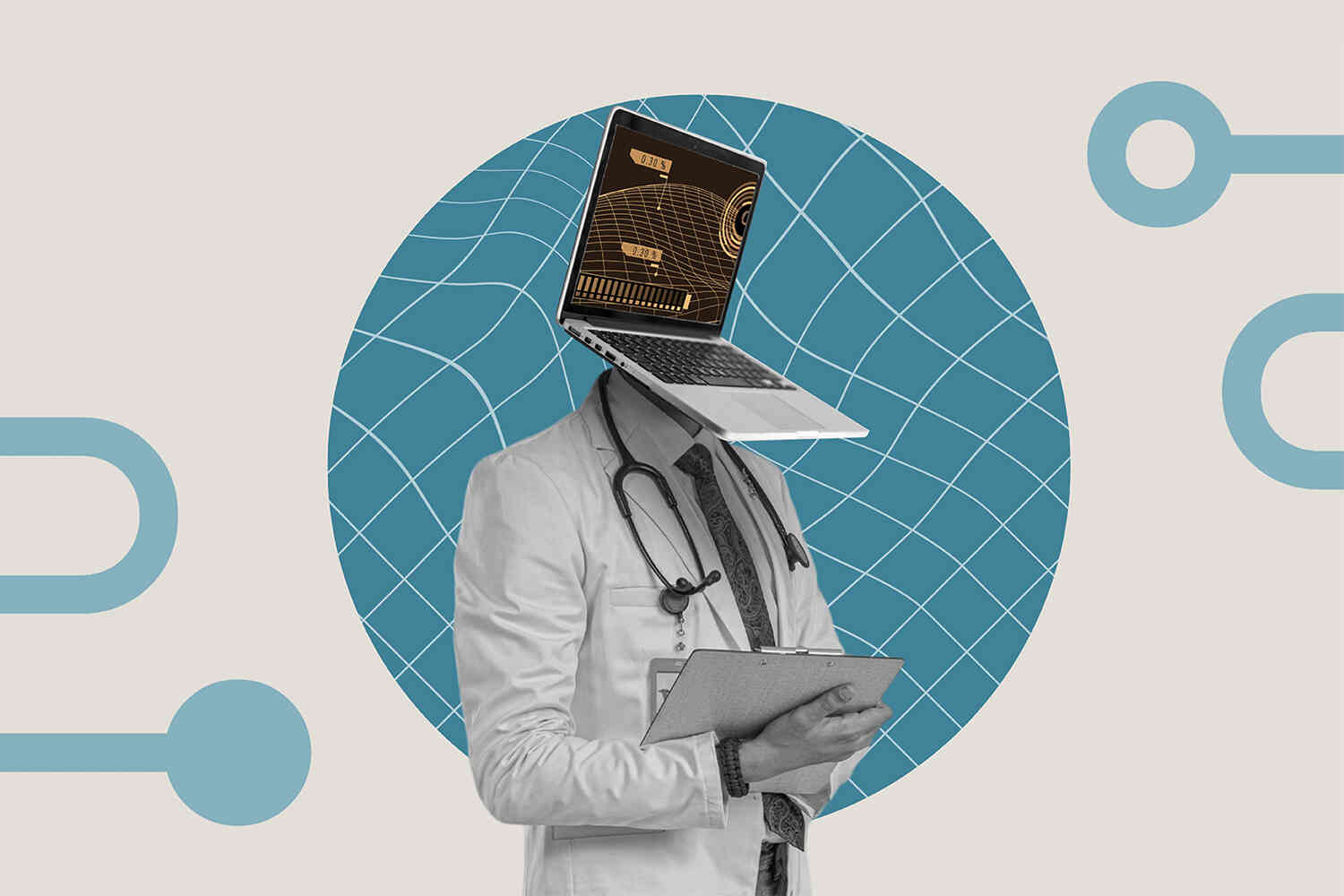

That's right; robot doctors will be writing prescriptions in Utah thanks to a new legislative rule that creates a "regulatory sandbox" framework for companies that are being innovative with AI.
Essentially, that sandbox means that the state suspends all state regulations and limits the power of an individual to sue a company if things go wrong.
By providing temporary regulatory relief that enables innovation and crafting agreements that facilitate the deployment of AI in healthcare, the state aims to foster innovation, enhance patient care, strengthen provider capacity, and reduce costs. Through these collaborations, Utah seeks to demonstrate real-world results that inform best practices for the safe and effective adoption of AI across the healthcare system.
The program specifically deals with prescription refills for chronic patients, meaning that it's not recommending new meds and mostly just approving or declining refills.
But what could possibly go wrong with AI operating autonomously in the healthcare system?
No one has EVER been able to manipulate AI before, right?
Well, medical AI systems that pop up suggestions for doctors about diagnoses or treatment plans have often had an abysmal failure rate according to critical reports.
Clinical decision support systems generate such volumes of alerts that 90-96% are now routinely overridden by physicians. Some doctors receive 100-200 alerts daily, leading to documented cases of physicians typing 'this alert is not helpful' or entering random characters just to bypass the interruptions.
But the Utah system will completely bypass doctors altogether.
So, I guess they avoid bothering the docs.
Do state and national legislators have any idea what exactly AI is and what it is actually capable of doing? Is it possible they're being misled?
Why is it that no one seems at all concerned that AI companies keep pushing for legal immunity for every new product they push out?

Is any other industry coddled so much in its infancy?
P.S. Now check out our latest video 👇