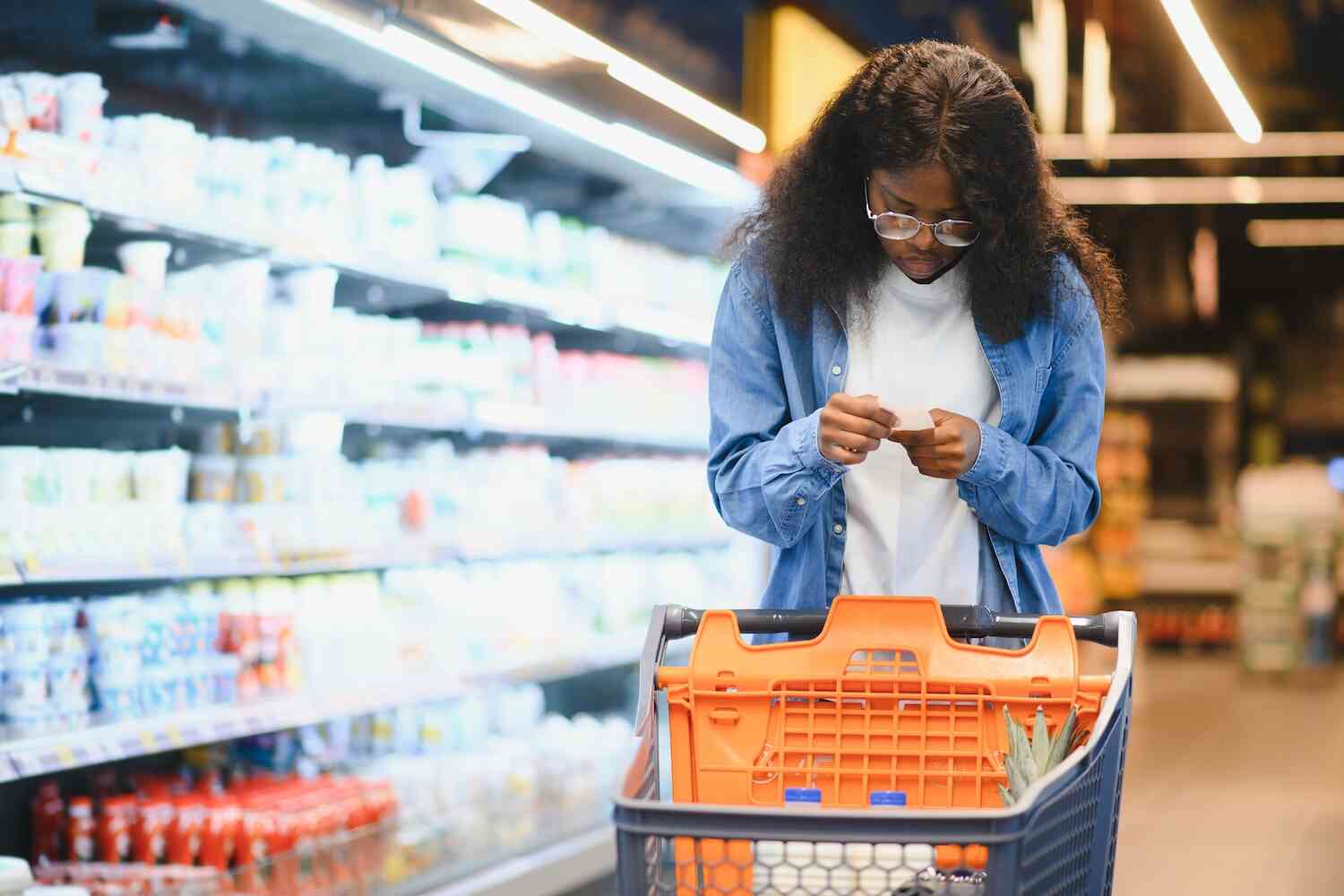

The midterm elections of 2026 are on the distant horizon. Sooner rather than later, pundits will begin breathlessly updating prediction models and recounting how campaigns are scrambling to win this swing seat or that bellwether race. But the truth is, you don't need high-priced prognosticators or overpaid consultants to tell you how things will unfold. You just need to go to the grocery store.
Forget the hysteria about redistricting in red states, if the current administration wants to sustain its majorities and build a durable future coalition, it needs to do one simple thing: Pay attention to what voters feel most acutely. And that reality is staring every American in the face every time they swipe their card at checkout.
Last week's national data told the story bluntly:
Grocery prices up 37% since 2017
A typical family of four now pays $1,030 per month - that's more than $250 higher than just a few years ago
47 million Americans face hunger concerns
Over half of households call groceries their number one source of financial stress
Grocers selling 13 billion fewer units but still making more money, thanks entirely to higher prices
These aren't abstractions, nor are they ideological or partisan interpretations. They're the cost of eggs, milk, bread, and beef. They are the price tags that confront families every single week. And history has a way of reminding both red and blue lawmakers that nothing moves voters from indifference to engagement faster than everyday financial stress.
Democrats learned that lesson the hard way in 2024. They assumed voters would be motivated primarily by broader cultural fights, abortion, democracy, and Trump. But for millions of Americans, politics doesn't begin in Washington, but in Walmart. And no political narrative, no matter how morally charged or culturally resonant, will compete with the stress of not being able to feed your family comfortably.
Inflation - especially food inflation - touches every home, rewrites every budget, and tightens every margin. And right now, even as overall inflation has cooled, grocery prices remain stubbornly high. They have settled into a new, unwelcome "normal," and any belief on the right that voters will let that slide in order to "end foreign wars" or "end illegal immigration" is foolish.
It's also what makes the administration's recent tariff strategy so puzzling. That reality is precisely why the White House quietly rolled back tariffs on more than 100 goods earlier this month, including beef and coffee. It was a tacit acknowledgment of reality beyond the rhetoric.
The question is whether that course correction is an isolated move or the start of a broader recognition. Because if this administration wants any long-term political success in the form of real, enduring majorities, it cannot afford to misread the electorate the same way its predecessors did.
The future of political power in America won't be determined by think-tank panels or cultural flashpoints. It's not going to hinge on who trends on social media or which viral clip dominates the news cycle.
It will be determined by whether the average family can fill a grocery cart without feeling financially squeezed.
That's the whole ballgame.
Wax eloquent all you want about broad tents and party realignment, the most important political coalition in the country right now is the group of Americans standing in aisle five doing math they didn't have to do in 2019.
Whichever party understands that sooner, and appeals accordingly, will shape the next decade.
P.S. Now check out our latest video 👇
Disclaimer: The opinions expressed in this article are those of the author and do not necessarily reflect the opinions of Not the Bee or any of its affiliates.